Beach Reviews/Croatia·Dalmatia
Petrčane Beach
A pine-shaded Dalmatian village 10 km north of Zadar, with pebbly entries that turn to sand once you're in the water.
Gallery
Three more frames.
Click to expand
- TypePebble-into-sand mixed shoreline
- LengthMultiple coves over ~1.5 km (Punta Skala peninsula)
- BestMay–Oct (peak Jun–Sep)
- Access15–20 min drive or Liburnija bus 3 from Zadar; cheap village parking
- CrowdModerate
Contents · 5
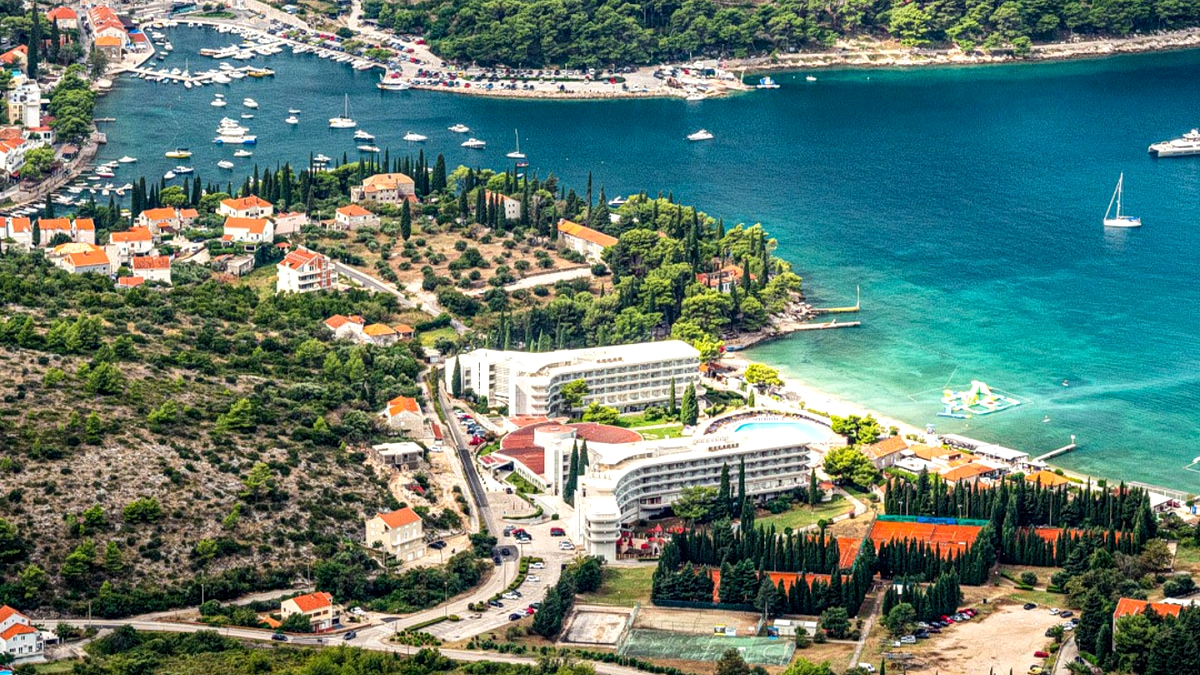
Petrčane is a small Dalmatian fishing village ten kilometres north of Zadar, with a handful of small beaches strung along a pine-forested peninsula. It is not one beach, it is the option you take when Zadar's strip beaches feel too built up and Brela's stones feel too far south. The first two metres of every entry here are sharp pebbles. Past those, the floor turns to fine pale sand. Bring water shoes. The pines actually shade the beach itself, not just the road behind it, which is rare on this coast.
How to get to Petrčane
By car, Petrčane is a 15 to 20 minute drive north of Zadar on the D8 coastal road, signposted as the turn-off toward Punta Skala and the Falkensteiner resort. Free parking is plentiful in the village itself; paid hotel parking on the peninsula is more convenient if you're heading straight for the Punta Skala beaches. Reckon on €3 to €5 for the whole day at the village lots in 2026.
By bus, Liburnija Zadar runs the line 3 service from Zadar's main bus station to Petrčane several times a day. The trip takes about 30 minutes and tickets are around €2.50 each way. Useful if you're staying in central Zadar without a car.
By boat, in summer there are small day-trip boats from Zadar's old town harbour that include a stop at Punta Skala. Slower than the bus but the approach along the coast is the most scenic option.
From Zadar Airport, count on 25 minutes by taxi or rental car, slightly longer at peak season because the coast road backs up. A worthwhile diversion if you have a few hours between flights.
The beach itself: pebbles into sand
The Petrčane beachfront isn't a single sweep of sand. It's a series of small coves separated by rocky outcrops, with a path running along the back of the entire bay. The largest sandy patch sits roughly in the centre and rarely runs more than 50 metres wide.
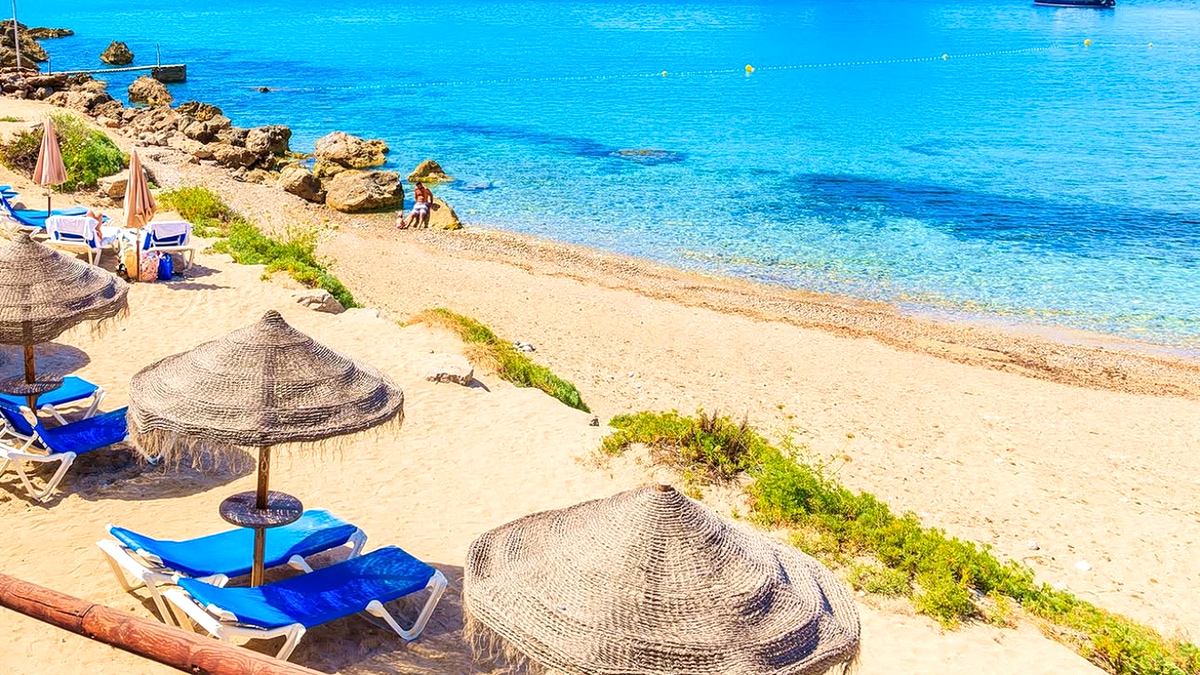
The shoreline itself is what local guides accurately describe as pebbles into sand. Walk into the water and the first two metres or so are loose rounded pebbles, the kind that are smooth on top but sharp on the soles if you're barefoot. Past the pebble strip the seabed turns to fine pale sand and stays sand all the way out. Toddlers can sit comfortably in the sand once they've crossed the pebbles. Adults can swim out twenty or thirty metres and still find their feet.
Water shoes are not optional here. The pebbles are coarse rather than smooth, and barefoot crossing leaves bruises. Bring them or buy a cheap pair at any of the village kiosks for around €8.
The water itself is the calm clear Adriatic that the Croatian tourist board doesn't have to exaggerate. Visibility runs to several metres on calm mornings. The coast faces roughly west, so afternoon light hits the water at the photographer's angle. Sheltered by the peninsula, the bay rarely gets the choppy conditions you'll find on the more exposed Dalmatian coast further south.
Lifeguard presence is light. There are no permanent towers but the village watches its own coves; in mid-summer there are seasonal guards posted at the busiest sections.
Punta Skala peninsula: walking between coves
The Punta Skala peninsula is the wooded headland that sticks out west of Petrčane village. It is covered in dense Aleppo pine and ringed with small coves, and walking between them is the real pleasure of a day here.
A paved path runs the perimeter of the peninsula, about 3 km in total. You can walk the whole loop in 45 minutes at a relaxed pace, or use it as a series of stops: swimming at one cove, walking to the next, lunch at the third. Each cove has a slightly different character. Some are entirely pebbled with deep water for jumping. Others have small sand patches and toddler-shallow entries. A few are reserved for guests of the Falkensteiner hotel that dominates the tip of the peninsula.
The hotel beaches are not technically private but they are signposted and the sunbeds are guest-only. You can swim from any rocky outcrop along the path even where the sunbeds are reserved; you just can't lounge on a hotel bed without paying.
The path is paved and stroller-friendly for most of its length, with a couple of stepped sections that require carrying a buggy for about 50 metres. The pine canopy gives genuine continuous shade. The smell at noon is hot pine resin and salt, which is the smell of summer on the Dalmatian coast. Stop at the small lighthouse on the western tip for the view back over the bay.
The village: stone houses, cafes, the rhythm
The village of Petrčane sits behind the bay, a tight cluster of Dalmatian limestone houses with terracotta roofs, narrow lanes, and the smell of grilling fish at lunchtime. It is small, working, and refreshingly unbothered by the resort traffic on the peninsula a few hundred metres away.
A handful of family-run konobas (the Croatian word for tavern) serve the standard Dalmatian repertoire: grilled fish caught in the morning, octopus salads, peka cooked under a metal bell, house wine in carafes. We've eaten well at Konoba Petrčane on the main square and reasonably at one or two others; the bigger resort restaurants on Punta Skala are functional and predictable, the village places are better.
There are two small markets in the village if you want to put together your own beach picnic. A bakery opens at 6am and sells burek that's still warm at 9. Coffee on the square is €2 and you can sit for an hour without anyone hassling you to order again.
The summer concert series at the small open-air amphitheatre on the peninsula is worth checking. Performances run through July and August, mostly classical and jazz, and the acoustic plus the night sea behind the stage is unfair to other venues.
The verdict on Petrčane
Petrčane is not a destination beach. It's the answer to a specific question: where on the Dalmatian coast can you find calm water, pine shade, sandy seabed, and a village with proper food, all within fifteen minutes of an airport. That answer is more useful than it sounds. Most Dalmatian beaches require a longer drive, a less protected swim, or a busier resort backdrop.
It's our pick for travellers using Zadar as a base for a few days. Mornings on the peninsula, evenings on the Sea Organ in town. It's also our pick for families with toddlers who need shallow water without slippery rock entries, once you're past those first two metres of pebbles.
It's not our pick if you came to Croatia for the famous postcard beaches like Stiniva on Vis or Zlatni Rat on Brač. Those are bigger drama. Petrčane is calmer, smaller, more domestic.
For a contrast with what Petrčane isn't, Tolo Beach in Nafplio shows what a longer family-resort bay looks like in Greece, and Loukkos Tou Mandi in Ayia Napa is the harbour-adjacent rocky version of the small-village beach shape. For more of the Dalmatian coastline, see the destination atlas.
What we loved
- +Natural pine shade right at the beach (rare on the Dalmatian coast)
- +Crystal-clear Adriatic water, calm and shallow on the sandy patches
- +Quieter than Zadar's city beaches; quieter than Brela and Bol
- +Dalmatian-stone village with family-run konobas and proper food
- +Cheap day parking (€3 to €5 in the village; resort lots are pricier)
Worth knowing
- −First two metres in the water are sharp pebbles; water shoes essential
- −Sand patches are smaller than the photographs suggest
- −Limited proper beach amenities (sunbeds, showers) outside the resort sections
- −Some Punta Skala coves are signposted for hotel guests
- −Strong sun on the rocky sections in summer; pine shade is at the back
Editor's tips
- →Bring water shoes; the pebble entry is genuinely sharp
- →Park in the village and walk to the peninsula; the resort lots are pricier
- →Visit early morning or after 5pm for the best of the pine shade
- →Walk the 3 km path around Punta Skala peninsula; swim a different cove at each end
- →Pair with sunset at Zadar's Sea Organ; it's 15 minutes back to town
Frequently asked questions about Petrčane Beach
How do you get to Petrčane Beach from Zadar?
Is Petrčane Beach sandy or pebbly?
Is Petrčane good for families with young children?
When is the best time to visit Petrčane?
Keep reading