Beach Reviews/Dalmatia, Croatia
Cavtat Beach, Dubrovnik
Dubrovnik's quieter southern neighbour, with small pebble coves on a peninsula and an old town that hasn't been overrun.
Gallery
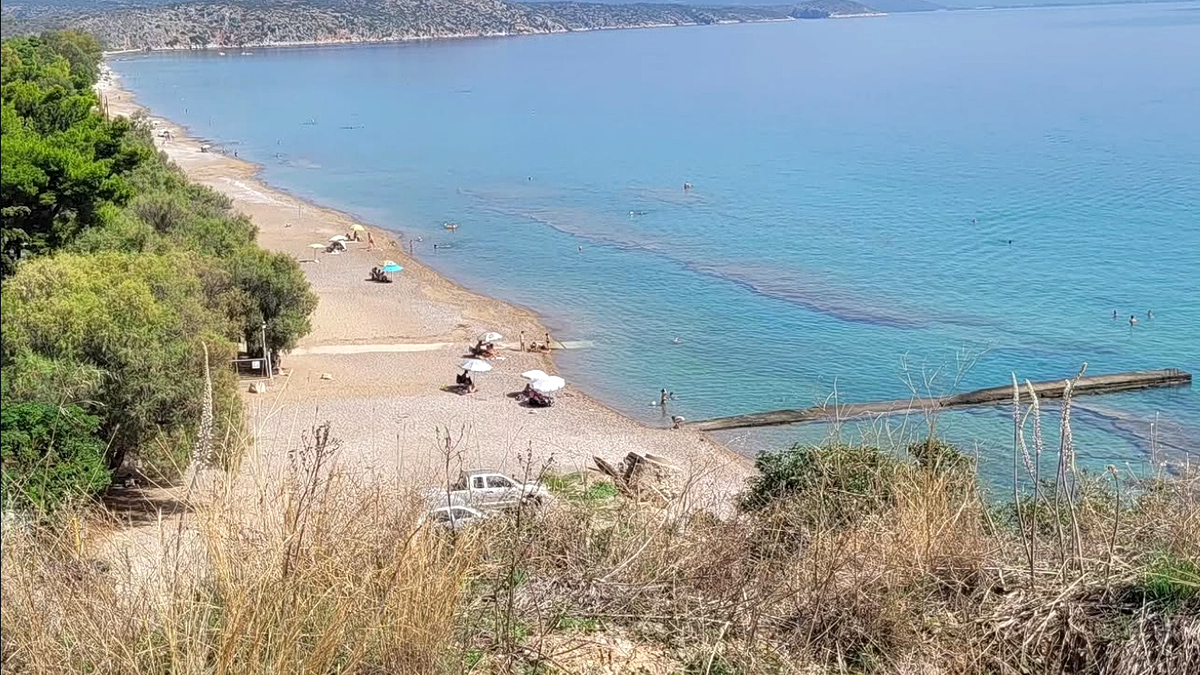
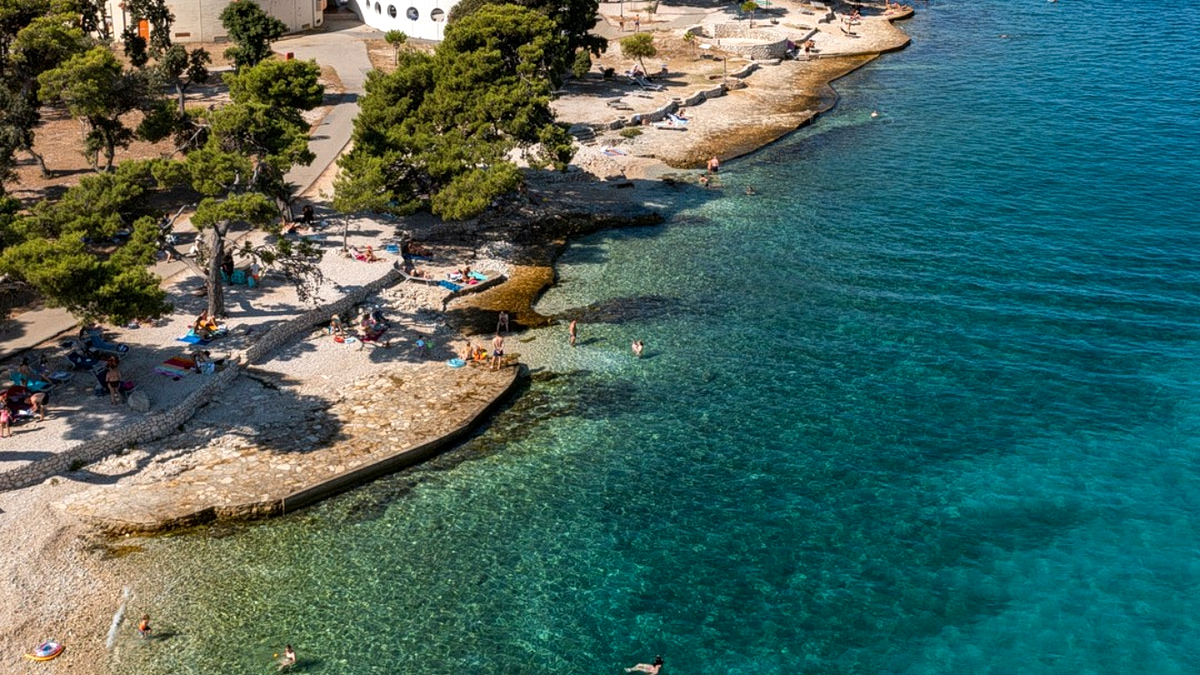
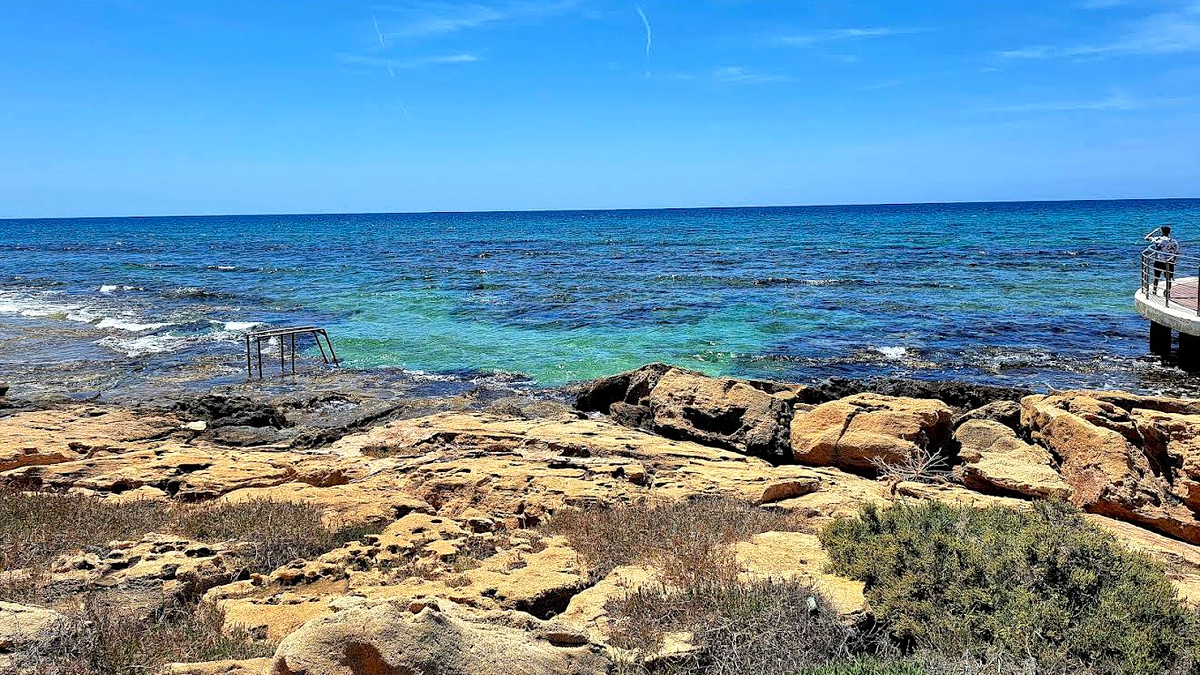
Three more frames.
Click to expand
- TypePebble coves
- LengthMultiple small coves (Rat ~29 m, Žal larger)
- BestMay–Oct (peak Jul–Aug)
- Access10 min from Dubrovnik Airport; 25–30 min from Dubrovnik old town by car, bus or ferry
- CrowdModerate
Contents · 5
Cavtat is fifteen kilometres south of Dubrovnik, on a small peninsula that juts into a calm bay, and it is what people mean when they say 'Dubrovnik before the cruise ships'. Locals call the two town beaches simply Plaža Cavtat, but they have proper names: Rat on the south side of the peninsula, Žal on the north. Neither of them is large. The town behind them is a quiet harbour with a baroque church, a Renaissance rector's palace, and a Meštrović mausoleum on the hill. Most days the beaches are full of the local population from Dubrovnik plus a thin sprinkle of tourists who figured out the trick.
How to get to Cavtat
By car, Cavtat is a 25 to 30 minute drive south of Dubrovnik old town on the D8 coastal road. The route follows the cliff edge for much of the way and is one of the more pleasant short drives in southern Dalmatia. Parking in Cavtat is easier than in Dubrovnik, with several paid lots near the town centre at €2 to €3 per hour or €15 to €20 for the day.
By ferry from Dubrovnik, a small passenger boat runs between Dubrovnik's Gruž port and Cavtat harbour several times a day in summer. The trip takes about an hour each way at around €15 each way. The scenic route along the cliffs is the reason to choose this over the bus.
By bus, the number 10 service from Dubrovnik's central terminal runs to Cavtat several times an hour. Tickets are around €4. Slow at peak hour because of coastal traffic.
By air, Dubrovnik Airport (DBV) sits just 5 km inland from Cavtat. A 10-minute taxi or a 20-minute walk down to the town if you have light bags. This makes Cavtat the natural choice for a first or last day of a Croatia trip if you're flying in or out of DBV.
The beaches: Rat, Žal, and the harbour swim
Cavtat's beaches sit on opposite sides of the peninsula. Rat Beach is to the south, Žal Beach is to the north. The town and harbour are in the middle.
Rat Beach is small. About 29 metres of fine pebbles and shingle running along the south-east shore of the peninsula, backed by a concrete sunbathing terrace that doubles the usable space. It is the more popular of the two, partly because it sits adjacent to the path that loops the peninsula. The entry is gradual: you can wade out several metres before it gets deep. Sunbeds run €7 and umbrellas €3. There are showers, changing rooms, a small bar selling cold drinks, and a kiosk for water shoes if you forgot yours. Water shoes are recommended. The pebbles are sharp in places.
Žal Beach is on the north side, slightly larger and slightly quieter, with the same pebble-and-shingle character. It catches the morning sun and tends to clear out by late afternoon when shadow moves over it. The path between the two beaches takes about 10 minutes around the peninsula and is one of the most pleasant short walks in Cavtat.
The harbour itself is a swimming option for the locals who don't bother with the organised beaches. There are steps and ladders into the deep clear water along the seafront promenade. Boat traffic keeps you alert but the water clarity is excellent, especially at the southern end of the harbour where the depth drops quickly.
For a more dramatic beach, Pasjača, the cliff-base beach with a famous descent, is 25 minutes further south by car. It is not in Cavtat but is a common day-trip from here. Worth the diversion if you're already nearby.
The old town: what's there, what's worth it
Cavtat is a real old town, not a stage set. Walking up from the harbour, the first thing you notice is the baroque church of St Nicholas with the small square in front. A few minutes further along the seafront you reach the Renaissance Rector's Palace, now a small museum holding the collection of the painter Vlaho Bukovac who was born in Cavtat. The collection is uneven but the building itself is worth the modest entry fee.
The walk we always do is up the steps to the Račić family mausoleum on the hill above the town. The mausoleum was designed by Ivan Meštrović, the most important Croatian sculptor of the twentieth century, and it is one of his most distinctive buildings. White stone, octagonal, severe, with the family carved into the door panels and the angel of mourning watching from the inside. The walk up is steep but the view from the top is the view that explains why Cavtat exists where it does. Allow 45 minutes round trip.
The harbour promenade fills with tables in the evening and the standard Dalmatian restaurant fare is reliable here: grilled fish, octopus salad, pošip and plavac mali by the glass. Don't expect Michelin-star prices or experimentation. Expect what a good fishing-village restaurant on a confident coast does well.
The fish market opens early at the end of the harbour. Worth a stop if you're staying in an apartment and cooking your own. Local sea bass and sea bream for around €25 to €35 a kilo, depending on the catch.
Cavtat vs Dubrovnik: which to base in
This is the real question for most travellers and we have a clear answer: stay in Cavtat, day-trip to Dubrovnik. The reasoning has three legs.
First, the airport. Dubrovnik Airport sits 5 km from Cavtat and 20 km from Dubrovnik. Cavtat is the practical first-and-last-day base when you're flying in or out of DBV. You save an hour of transfer time in each direction.
Second, the crowds. Dubrovnik's old town receives over 1.4 million cruise-ship visitors a year and the streets pack tight from late morning to mid-afternoon. Cavtat at the same hour is calm, the harbour cafes are seated, you can find a parking spot. You go to Dubrovnik for the morning or the evening, then come back to Cavtat for dinner.
Third, the price. A mid-range hotel room in Cavtat is roughly 25 to 35 percent cheaper than the equivalent in Dubrovnik's old town in peak season. Restaurants are 15 to 25 percent cheaper. Coffee is half. This adds up across a five-night stay.
The trade-off: Cavtat does not have Dubrovnik's monumental drama. No 1.5-kilometre city walls. No Game of Thrones tours. No Stradun at sunset with the marble paving polished by centuries of feet. If you came specifically for those, stay in Dubrovnik. If you came for swimming, dinner, and a couple of half-days in the old town, stay in Cavtat.
The verdict on Cavtat
Cavtat is a particular kind of bnsmag pick: the smaller, quieter, more practical choice next to a famous heavyweight. The beaches are not the headline. The town is. You come here for a base, not a destination beach.
It's our pick for travellers flying in or out of Dubrovnik Airport, anyone who wants the Dalmatian coast without the cruise-ship pressure of Dubrovnik proper, and families who appreciate easier parking, shorter walks to the swim, and a working harbour that isn't a stage set.
It's not our pick if you came to Croatia specifically for long sandy beaches. Cavtat is pebble through and through. Same applies if you want a single dramatic cove rather than a town with two modest swimming spots.
For a different pebble-cove village in the same country, Petrčane Beach near Zadar is the northern Dalmatian version with pine shade. For long sandy bay alternatives in the Mediterranean, Tolo Beach in Nafplio is the family-resort answer in Greece. For more of the Dalmatian coastline, see the destination atlas.
What we loved
- +15 km from Dubrovnik old town with far fewer crowds
- +10 minutes from Dubrovnik Airport: ideal first or last day base
- +Multiple small pebble coves around a walkable peninsula
- +Genuine old town with Rector's Palace and Meštrović's Račić mausoleum
- +Ferry connection to Dubrovnik (1 hour, scenic cliff route)
Worth knowing
- −All pebble and shingle, no sand
- −Individual beaches are small (Rat is just 29 m long)
- −Limited free shade on the sunbathing terraces
- −Sunbed €7 + umbrella €3 adds up across a full day
- −Pasjača (the dramatic cliff-base beach) is 25 minutes further south, separate trip
Editor's tips
- →Stay in Cavtat, day-trip to Dubrovnik by ferry (more pleasant than the road)
- →Bring water shoes; entry pebbles are sharp at both Rat and Žal
- →Walk between the two coves: Rat on the south side, Žal on the north (10 min)
- →Sunset on the harbour promenade with a glass of pošip is the easy win
- →Use Cavtat as the airport base on departure day (DBV is 10 minutes away)
Frequently asked questions about Cavtat Beach, Dubrovnik
How do you get to Cavtat from Dubrovnik?
Is Cavtat a sandy or pebble beach?
Is Cavtat a better base than Dubrovnik?
When is the best time to visit Cavtat?
Keep reading