Beach Reviews/Ireland·Waterford
Kilfarrasy Beach
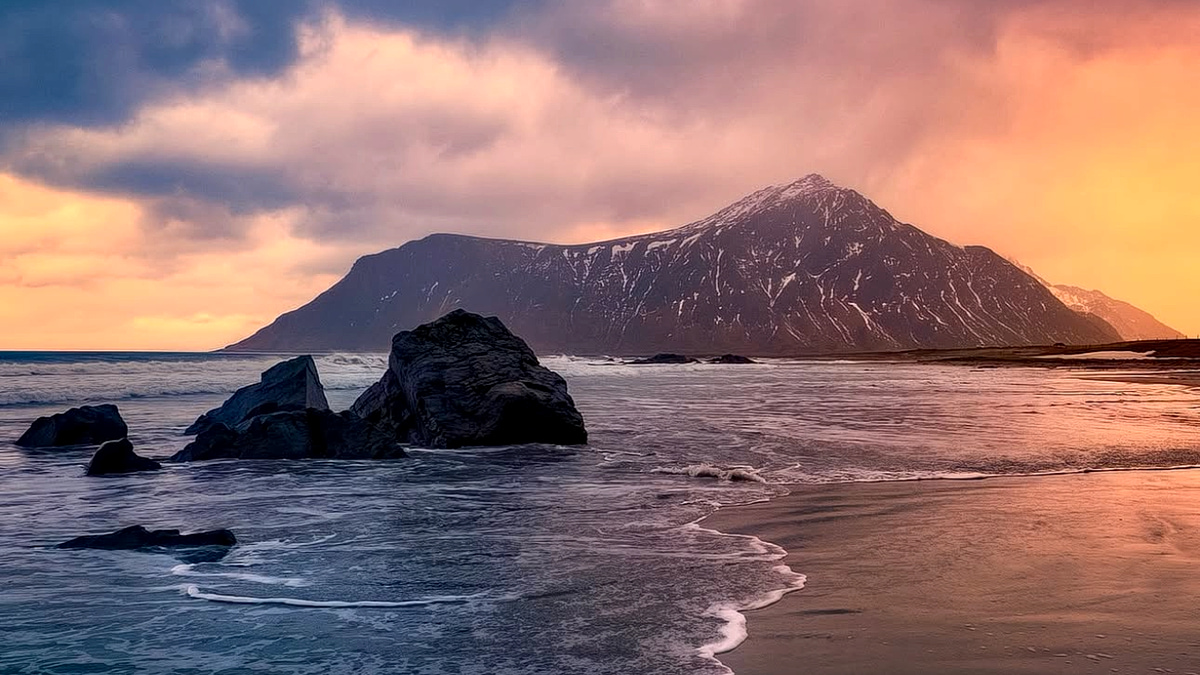
A small Atlantic sand beach on the Copper Coast, tucked under low cliffs near Annestown. Cold water, real wind, rock pools at low tide, no tour buses.
Gallery
Three more frames.
Click to expand
- TypeSandy beach under low cliffs
- LengthAbout 350 m at low tide, much less at high
- BestMay–Sep (water warmest Jul–early Sep)
- AccessR675 coast road, 14 km west of Tramore; small free car park
- CrowdQuiet (Moderate on summer weekends)
Contents · 5
Kilfarrasy is a small Atlantic sand beach on Ireland's south coast, tucked under low cliffs near the village of Annestown, and on the right day it is everything you came to Ireland for. The water is cold, the wind is real, the rock pools are alive at low tide, and the tour buses don't stop here. The Irish name is Cill Fhearghasaigh. The setting is the Copper Coast, a 25-kilometre stretch of cliffs, coves, and copper-stained sandstone that holds UNESCO Global Geopark status for its geology.
How to get to Kilfarrasy Beach
From Waterford city, take the R675 south to Tramore (16 km, 25 minutes), then continue west along the coast road. Kilfarrasy is signposted off the R675 about 14 km west of Tramore, between Annestown and Bunmahon. The turn-off is a single-lane road that drops down to a small free car park above the beach. The descent to the sand is a short walk with steps.
From Dublin, the drive is 2 hours 30 minutes via the M9 to Waterford then south to the coast. From Cork, it's 90 minutes east on the N25. The Copper Coast is mostly road-trip territory; public transport along the R675 is limited to summer-only Bus Éireann services that don't run on a useful frequency for a day at the beach.
Parking at Kilfarrasy itself is a small free car park, around 25 spaces. It fills on warm weekend afternoons in July and August. If it's full, Bunmahon Beach is 10 minutes further west with a much larger car park, and Annestown Beach is 5 minutes east with roadside parking only.
The beach itself
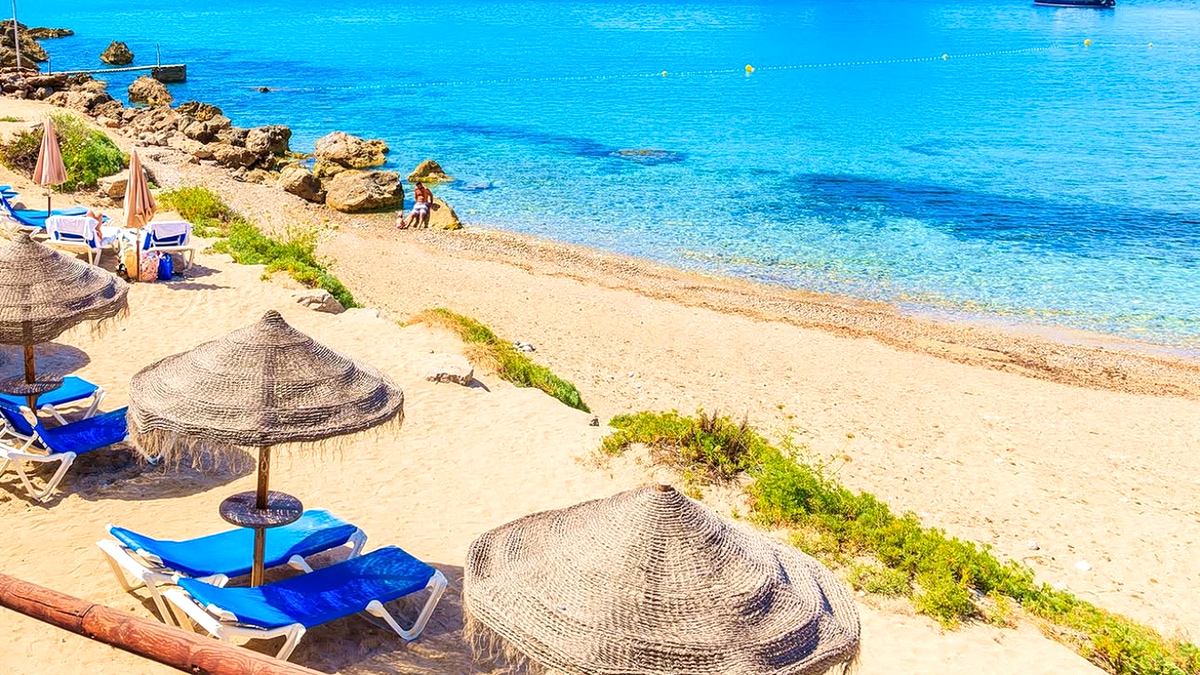
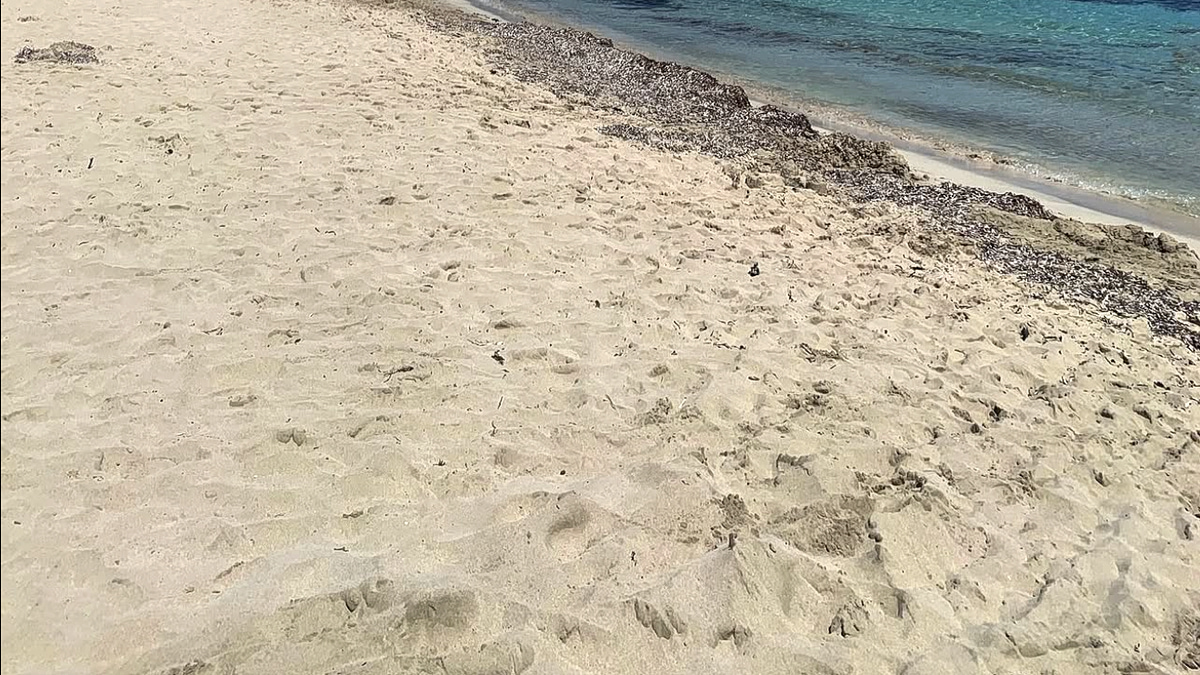
The bay is small, curved, and roughly 350 metres of sand at low tide, considerably less at high. The sand is the Atlantic-coast golden colour, with patches of finer pebble at the eastern end and rocks at the base of the cliffs. The entry is gentle from the centre of the beach. The water is cold. Atlantic on this stretch of the Irish coast sits at 13°C in May, climbs to 14 to 16°C through July and August, and is back to 12 to 13°C by October. A 3mm wetsuit makes the difference between a refreshing dip and an actual swim.
The surf is small and friendly on most summer days, with chest-high sets on a good south-westerly swell. Kilfarrasy is a beginner-to-intermediate spot rather than a wave-chaser's destination. The local surf school in Tramore brings groups here on flat days at the main beach. If you want bigger surf, the breaks on the west of Ireland (Lahinch, Bundoran) are the real deal.
The lifeguard service operates daily during July and August and on weekends through June and September. Out of those windows there is no lifeguard cover; the tide and current here are manageable but the wind and the swell make Atlantic swimming a different proposition from Mediterranean swimming. Check the local notice board before you go in.
The cliffs and the tides
The cliffs behind Kilfarrasy are old red sandstone with copper-mineral staining, which is what gives the entire coastline its name. They are not high (15 to 25 metres) but they have the colour and the texture that makes the Copper Coast geologically distinctive. The UNESCO Geopark status covers the 25-kilometre stretch from Tramore to Stradbally and includes information boards at several beaches; Kilfarrasy has a small one in the car park.
The tide is the practical thing to plan around. At high tide the usable sand at Kilfarrasy shrinks to a thin strip at the base of the cliffs, and the rock pools at the eastern end are submerged. At low tide the bay opens out, the sand extends well beyond the cliff line, and you can walk the rocky shelf around the headland towards Annestown. Tide tables for Tramore are the closest reliable reference; high water at Tramore is roughly 5 to 6 hours after high water at Cobh, which the Irish Meteorological Service publishes daily.
When to come and what to bring
Late May to mid-September is the swimming season. Water peaks at 16°C in early August; air temperatures in this window are 16 to 20°C on a typical day and 22 to 24°C on a good one. Rain is always possible: bring a waterproof shell whatever the forecast said this morning.
Pack a wetsuit if you mean to swim properly. Pack a windbreaker even if you don't. Pack a flask of tea or coffee because there is no cafe at the beach and the nearest reliable option is Annestown's pub or the cafes in Tramore. Pack a bin liner for your wet things and an extra towel: the wind dries you faster than the sun does.
For children, low tide and a bucket get you an hour of rock-pool hunting at the eastern end. The pools hold blennies, hermit crabs, sea anemones, and seaweed, the working contents of an Irish intertidal zone. The cliffs are not climbable from the beach and there are no formal trails up; stay on the sand and the steps.
The verdict on Kilfarrasy Beach
Kilfarrasy is a particular kind of bnsmag pick: the small, quiet, geologically interesting alternative to the more famous Tramore main beach 14 kilometres east. It will not give you a Mediterranean swim. It will give you something the Mediterranean doesn't: a real Atlantic coast with copper-stained cliffs, working rock pools, and a car park that doesn't take an hour to navigate.
It's our pick for travellers driving the Copper Coast as a half-day or full-day road trip, families with kids who like rock pools and beach-combing, and anyone visiting Waterford who wants the coastal stretch without the Tramore amusement-arcade scene. It also works as a wetsuit-equipped swim spot in the warmest weeks of July and August.
It's not our pick if you wanted a long sandy strand with full amenities and warm water. Tramore main beach is the bigger Waterford answer (longer, fully serviced, busier). For a long shallow sand-and-tavernas alternative on the Mediterranean, Nea Vrasna Beach in northern Greece is the warm-water equivalent. For the Aegean version of a calm semi-enclosed bay, Galissas Beach on Syros is the family pick that doesn't require a wetsuit.
For more of the Irish coast as it lands on bnsmag, the country atlas at /beaches picks up new reviews as they're published.
What we loved
- +Real Copper Coast scenery: golden sand under low cliffs of red and copper-stained sandstone
- +Part of the Copper Coast UNESCO Global Geopark, geologically distinctive
- +Lifeguarded daily in July and August, weekends in June and September
- +Rock pools at low tide reveal a working tidal ecosystem, easy with children
- +Quieter than Tramore main beach 14 km east, especially outside peak weekends
Worth knowing
- −Atlantic water sits at 14 to 16°C even in August, a wetsuit transforms the swim
- −High tide reduces the usable sand significantly, time your visit
- −Facilities are minimal: small car park, seasonal toilets, no shop or cafe
- −Irish weather makes a sunny full day uncommon, bring rain layers regardless
- −Strong storms wash seaweed and sometimes plastic onto the high-water line
Editor's tips
- →Check tide tables before you drive out: low tide opens the sand and reveals the rock pools
- →Combine with Tramore for proper amenities (Esquires cafe, Seagull bakery, lifeguarded main beach)
- →Drive the full Copper Coast (R675) as a half-day loop: Tramore to Dungarvan with stops
- →A 3 mm wetsuit makes a 14°C swim genuinely enjoyable, hire from O'Shea's in Tramore
- →If the car park is full, Bunmahon Beach 10 minutes west is the larger alternative
Frequently asked questions about Kilfarrasy Beach
How do you get to Kilfarrasy Beach from Waterford?
Is Kilfarrasy Beach lifeguarded?
Is the water at Kilfarrasy warm enough to swim?
What's the best time to visit Kilfarrasy?
Keep reading