The 12 Best Beaches in Cyprus, Ranked (2026)
The 12 best beaches in Cyprus for 2026, ranked from on-the-ground visits: Nissi's sandbar, Lara Bay's turtle coves, Blue Flag picks and real logistics.

Contents · 19
- 01How we ranked them
- 021. Konnos Bay (between Ayia Napa and Protaras)
- 032. Fig Tree Bay (Protaras)
- 043. Nissi Beach (Ayia Napa)
- 054. Landa Beach (Ayia Napa)
- 065. Lara Bay (Akamas peninsula)
- 076. Blue Lagoon (Akamas)
- 087. Coral Bay (Peyia, near Paphos)
- 098. Makronissos Beach (Ayia Napa)
- 109. Governor's Beach (near Limassol)
- 1110. Mackenzie Beach (Larnaca)
- 1211. Finikoudes (Larnaca)
- 1312. Lady's Mile (Akrotiri, near Limassol)
- 14When to go, and what it costs
- 15Frequently asked questions about beaches in Cyprus
- 16Which part of Cyprus has the best beaches?
- 17How many Blue Flag beaches does Cyprus have in 2026?
- 18When is the sea warm enough to swim in Cyprus?
- 19Do you need a car for the best beaches in Cyprus?
Cyprus is where we send people who ask one specific question: where can I count on warm sea for the longest possible season without flying long-haul? The island's swimming season runs May to November, the August water hits 28°C, and in 2026 it holds 56 Blue Flag beaches, among the densest concentrations per kilometre of coast anywhere. We have swum our way around most of it. These are the twelve beaches we would actually plan a trip around, ranked, with the logistics that decide whether a beach day works.
How we ranked them
Every beach here has been visited by a bnsmag writer. We weight water and sand first, then atmosphere, then access and facilities, and we tell you who each beach is for, because the best beach in Cyprus for a 25-year-old is not the best one for a family of five. One note on geography: the island's finest sand is concentrated on the Famagusta coast in the east, around Ayia Napa and Protaras, while the west does drama, cliffs and wildness better. The ranking reflects both kinds of value.
1. Konnos Bay (between Ayia Napa and Protaras)
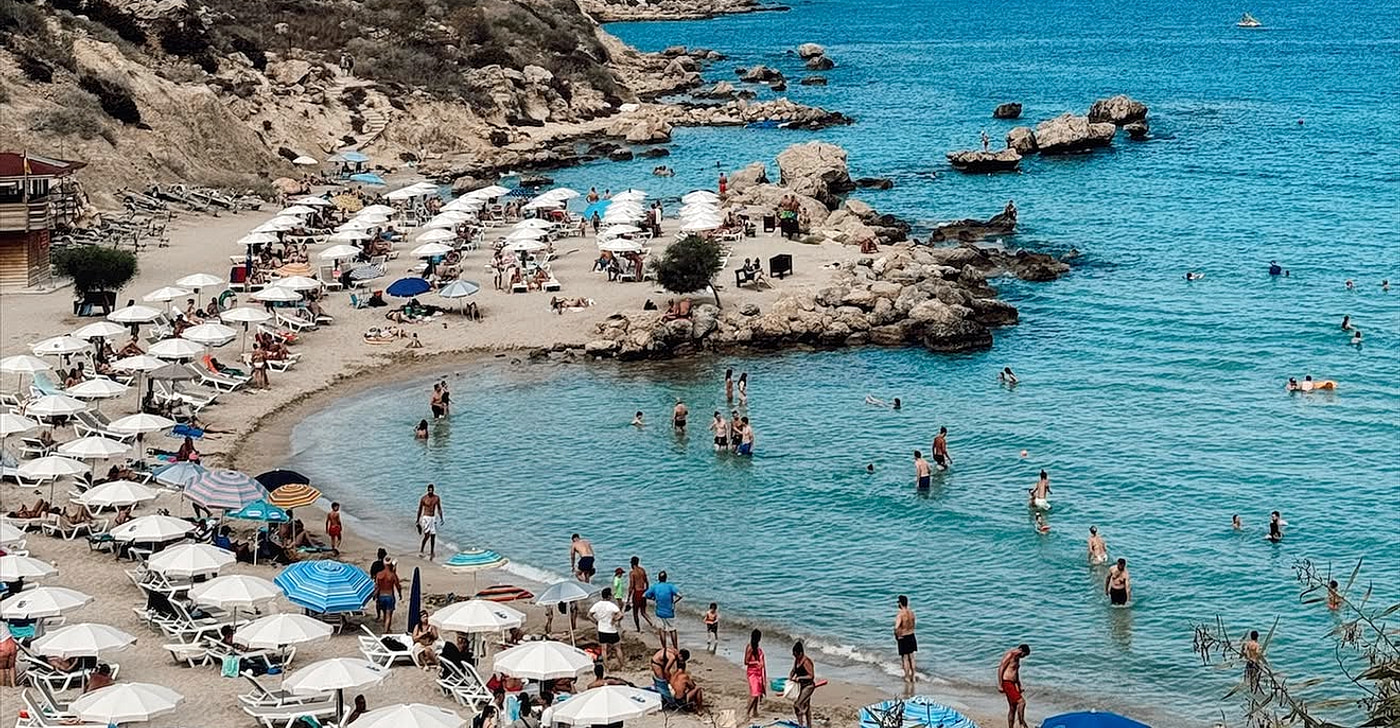
A small sheltered cove on the edge of the Cavo Greco national forest park, with pine trees running almost to the sand and water that stays glassy when the open coast is choppy. The bay is barely 200 metres long, which is its charm and its problem: parking on the slope above fills by mid-morning in summer. Come early, swim the calm clear water, and walk a stretch of the Cavo Greco sea-cave coast afterwards. The most complete beach experience on the island.
2. Fig Tree Bay (Protaras)
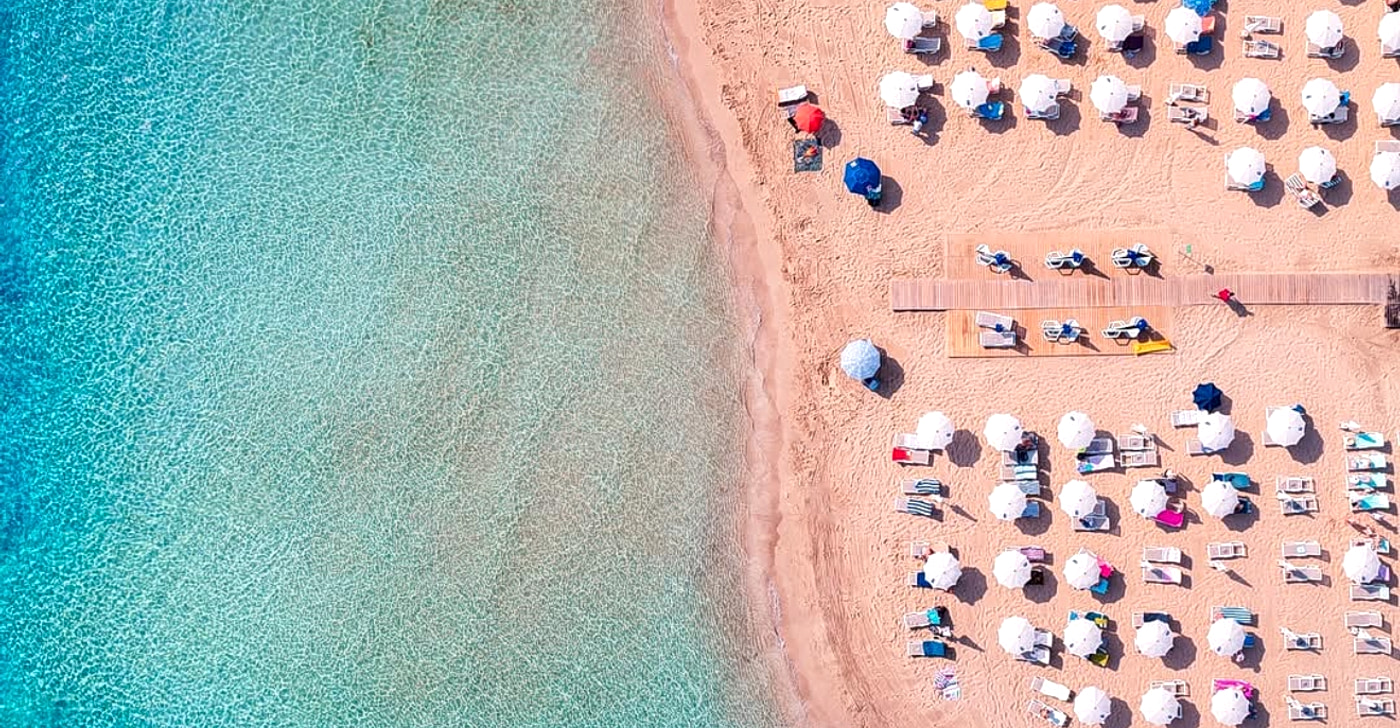
Protaras's signature beach, named for the lone fig tree that has stood above it for generations. Fine golden sand, a small rocky islet a short swim offshore for the adventurous, and full Blue Flag infrastructure along a promenade that makes car-free holidays genuinely easy. The Paralimni municipality, which includes Protaras, holds 18 Blue Flags in 2026, the most in Cyprus, and this is its flagship. Peak-season sunbed rows pack solid, so claim ground before 10am.
3. Nissi Beach (Ayia Napa)
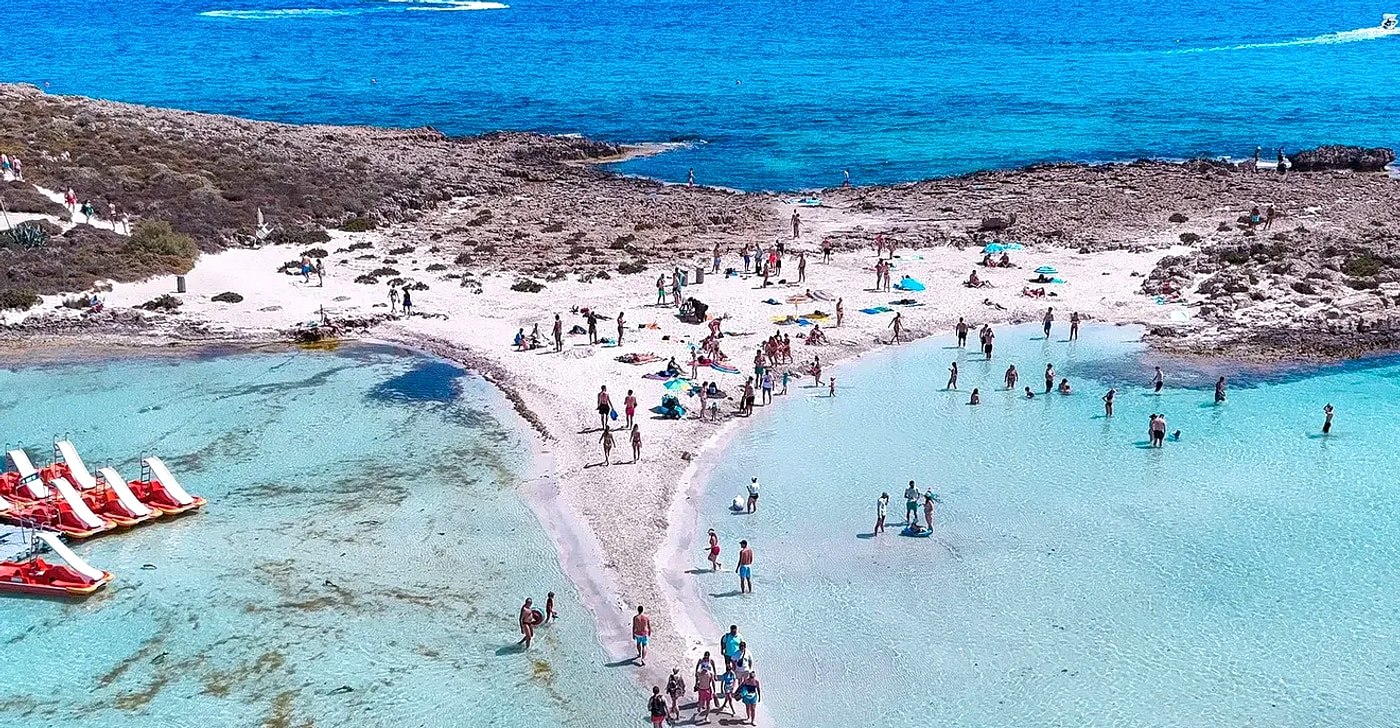
The famous one, and the photographs are not lying: pale sand, shallow turquoise water, and the sandbar you wade across to the islet that gives the beach its name. The honesty: Nissi is Ayia Napa's party beach, with bars and DJ sets from June to September, and by noon in August it is standing room only. Go for the morning swim and the islet walk, or go for the party. Trying to have a quiet family day here is using the beach wrong.
4. Landa Beach (Ayia Napa)
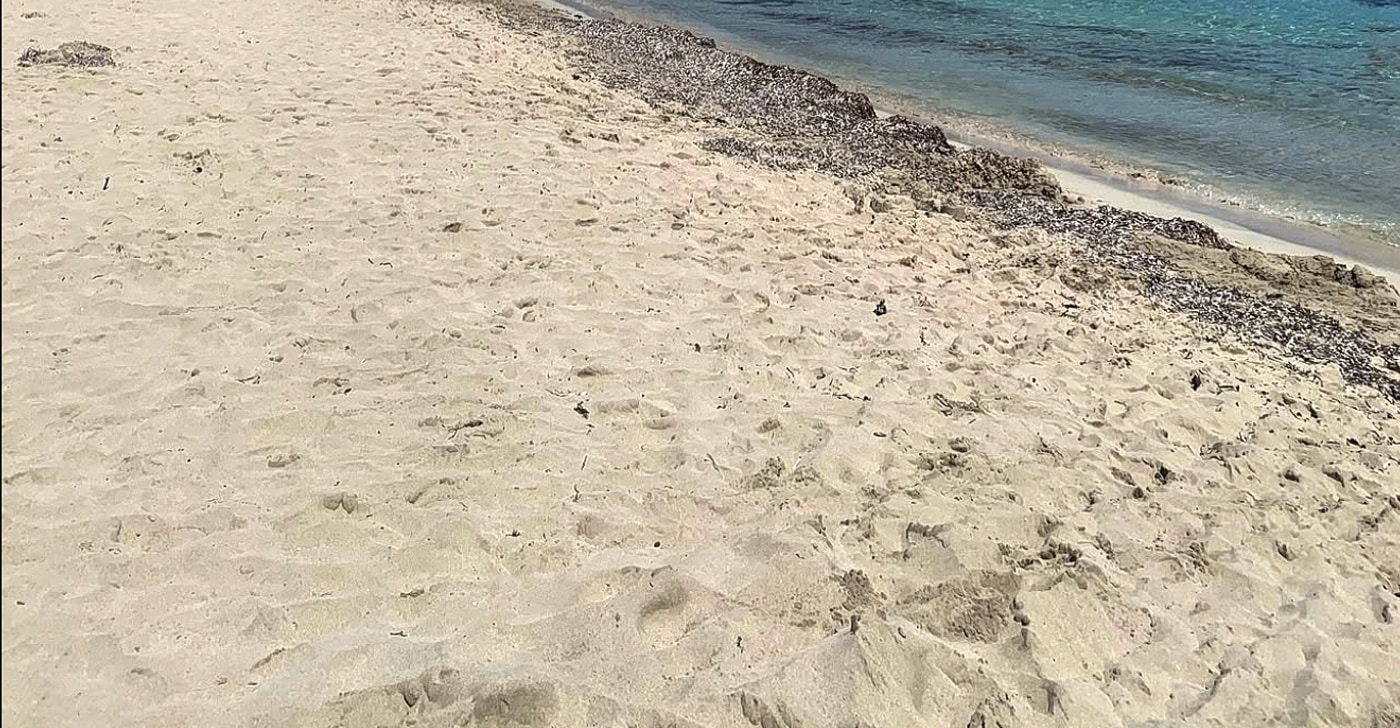
Halfway between Nissi and Makronissos sits the beach we actually recommend most often in Ayia Napa: the same fine golden sand and gradual entry as Nissi, no speakers. Blue Flag, lifeguards April to October, free parking behind the dunes, and the OSEA 101/102 bus every 15 to 20 minutes in summer. A coastal footpath links it to both neighbours, so you can beach-hop the whole golden strip on foot. We rated it 4.4 in our full Landa Beach review.
5. Lara Bay (Akamas peninsula)
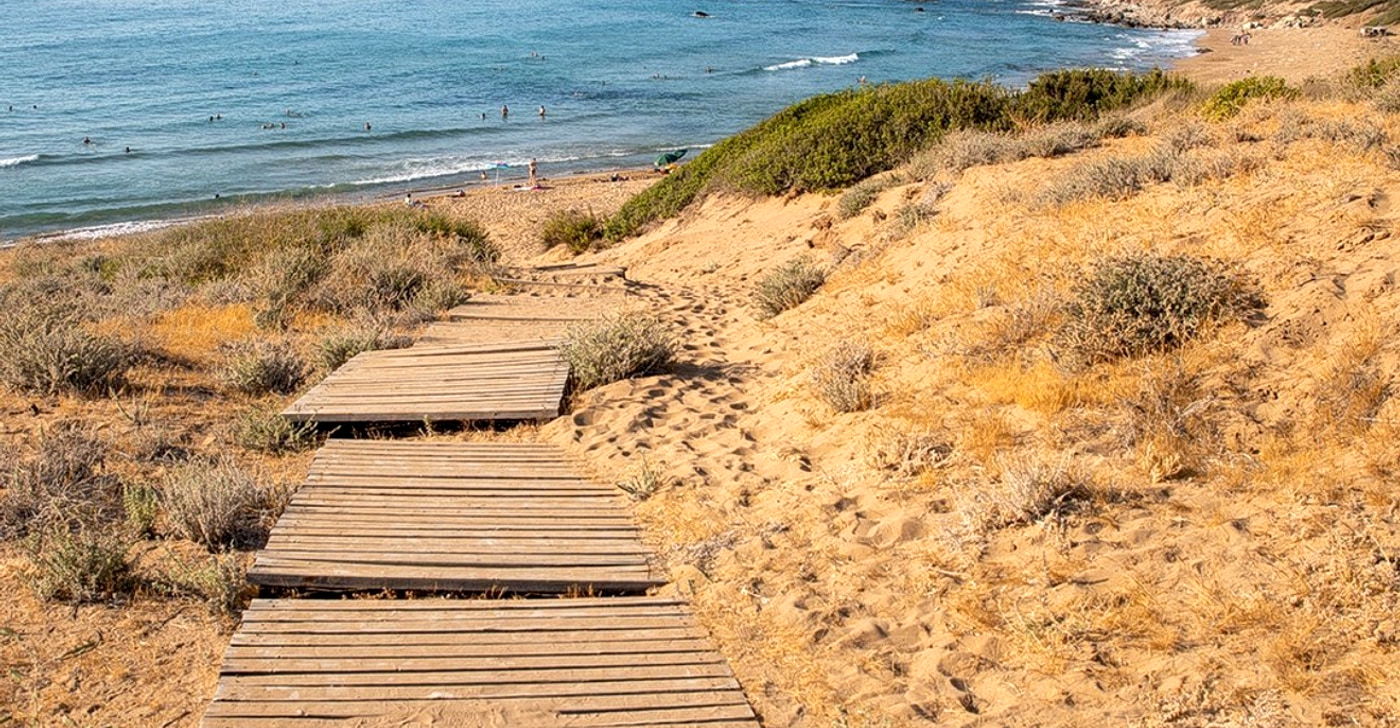
The wild one. A wide, undeveloped sweep of sand on the Akamas peninsula's west side, reached by a rough track that wants a 4x4, with no sunbeds, no kiosk and no shade. Lara is a protected nesting beach for green and loggerhead turtles, guarded since 1989; the metal cages over nests are doing exactly what you hope they are doing. Come with water, a hat and some reverence, and you get the best wilderness beach on the island. June to August evenings are nesting season, so daytime visits only.
6. Blue Lagoon (Akamas)
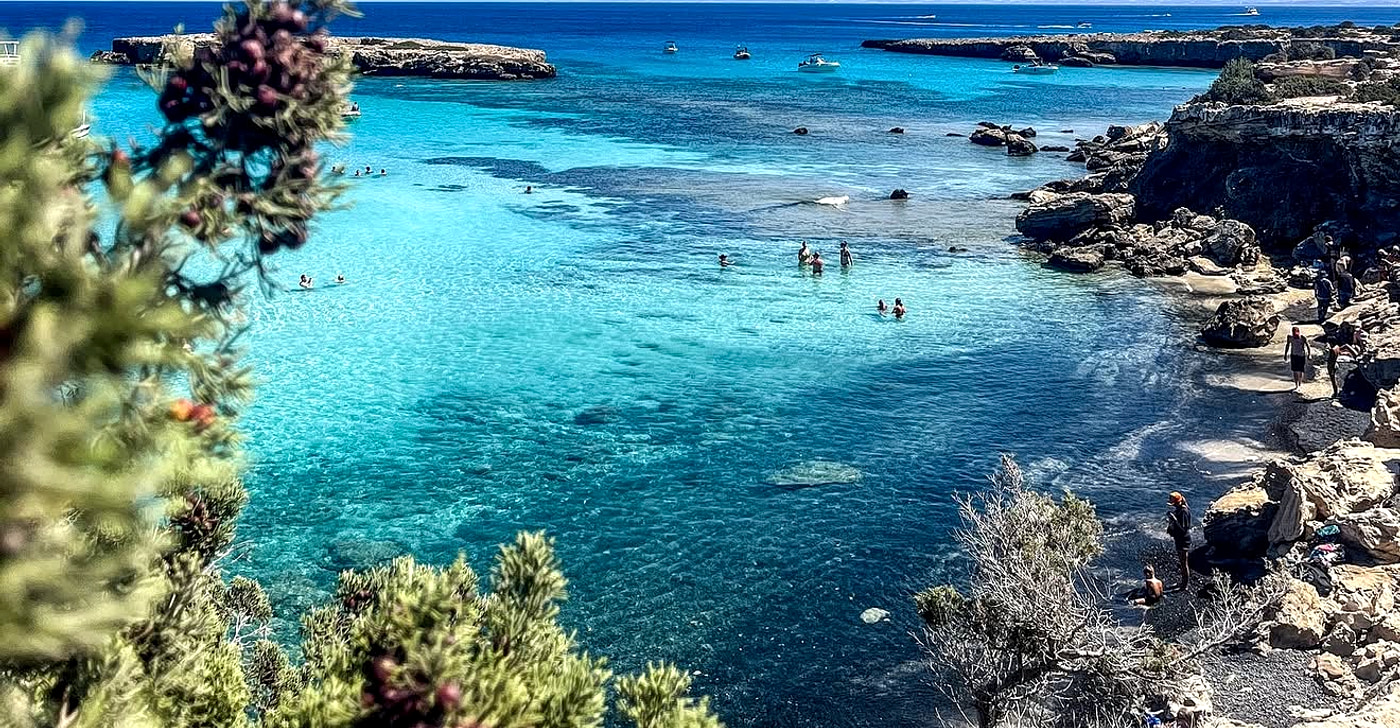
Not a sandy beach at all: a rocky cove near the peninsula's tip where shallow water sits glass-clear over a pale seabed, the best snorkelling water in Cyprus. Most visitors arrive on half-day boat trips from Latchi harbour; the alternative is a rough 4x4 track or a long hot walk from the Baths of Aphrodite. Cruise boats crowd the lagoon from late morning to mid-afternoon, so the early departures are the ones worth booking.
7. Coral Bay (Peyia, near Paphos)
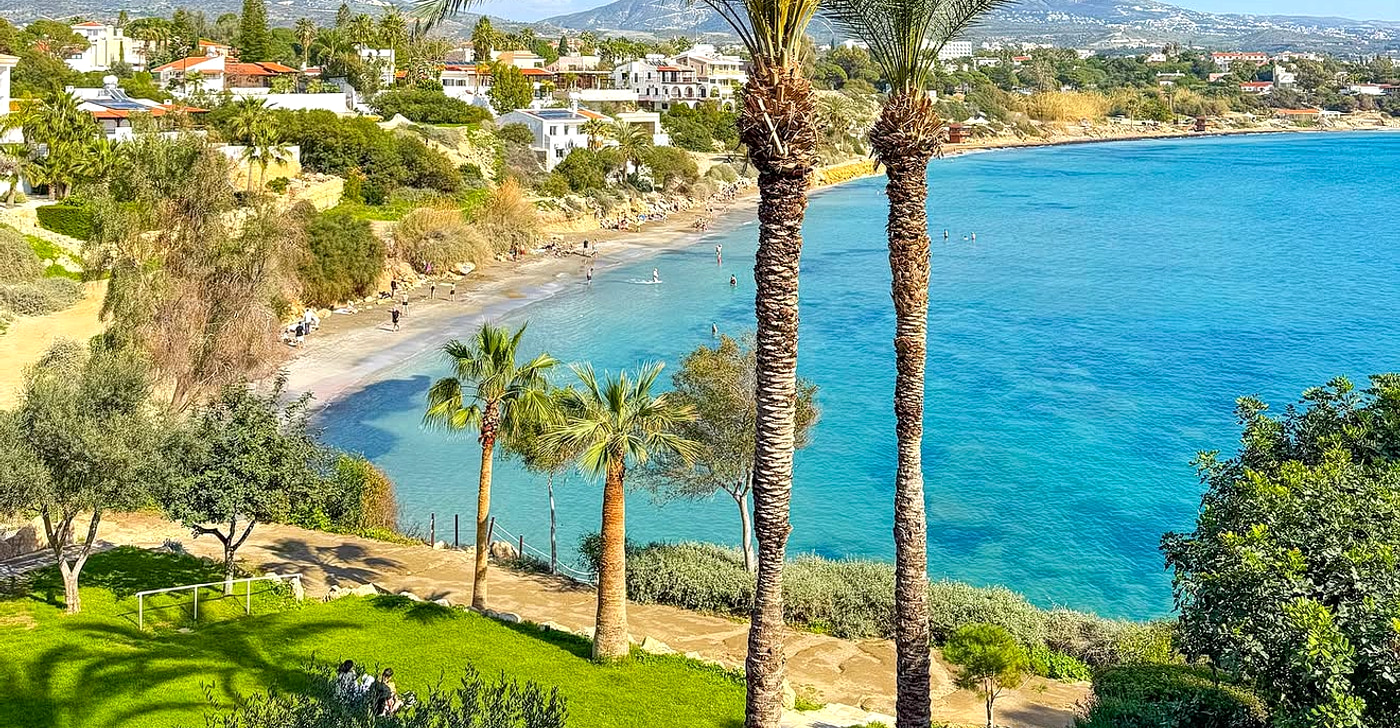
The west coast's family headquarters: 600 metres of soft golden sand between two limestone headlands, gently shelving, Blue Flag, with the 615 bus running from Kato Paphos along the coast road every few minutes in season. The strip behind is resort development at full volume, which costs it points for atmosphere but supplies every facility a family day needs. The sand is coarser and darker than the Famagusta coast's, which is simply what the west side of the island is.
8. Makronissos Beach (Ayia Napa)
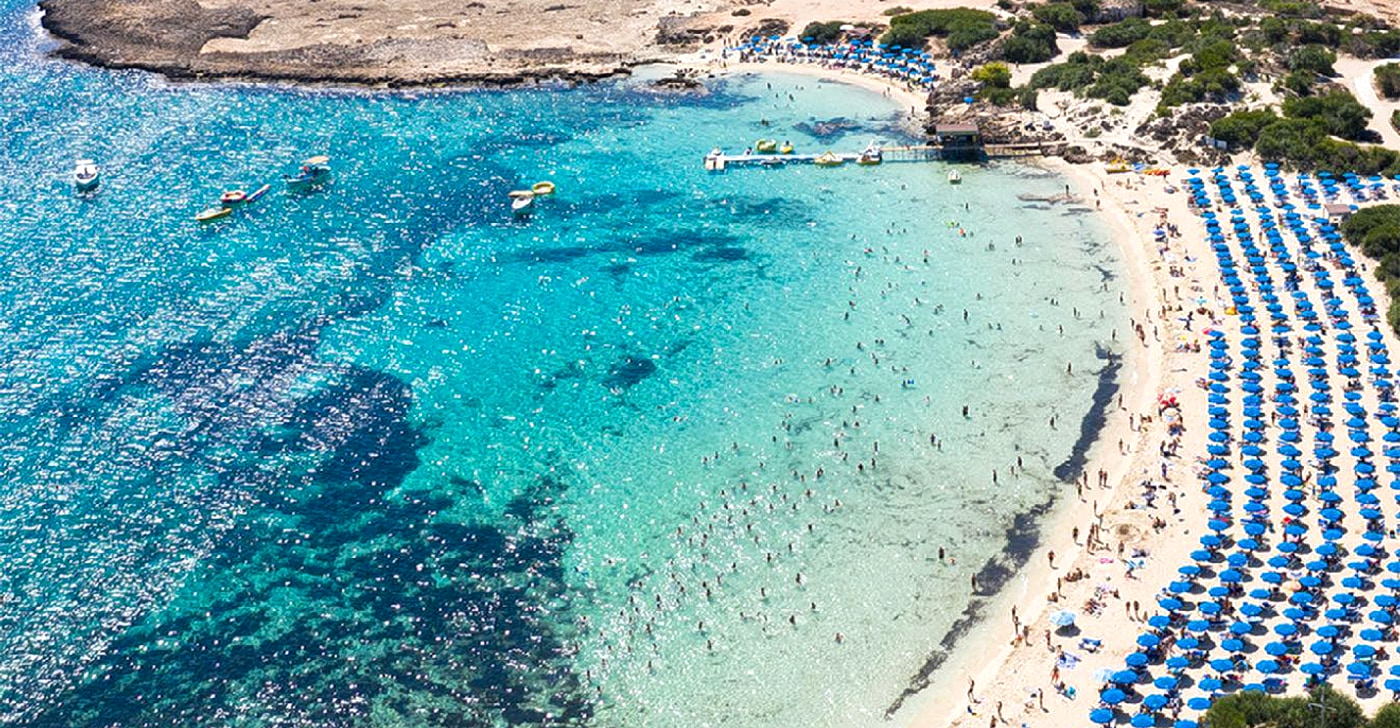
Three connected coves around a low peninsula at the western end of Ayia Napa's strip, calmer and more family-set than anything east of it. Behind the sand sit the Makronissos Tombs, a small rock-cut necropolis you can walk around between swims. Blue Flag facilities, water sports, free parking and the bus terminus make it easy. Summer evenings bring a steady rotation of wedding parties, which is either charming or crowded depending on your mood.
9. Governor's Beach (near Limassol)
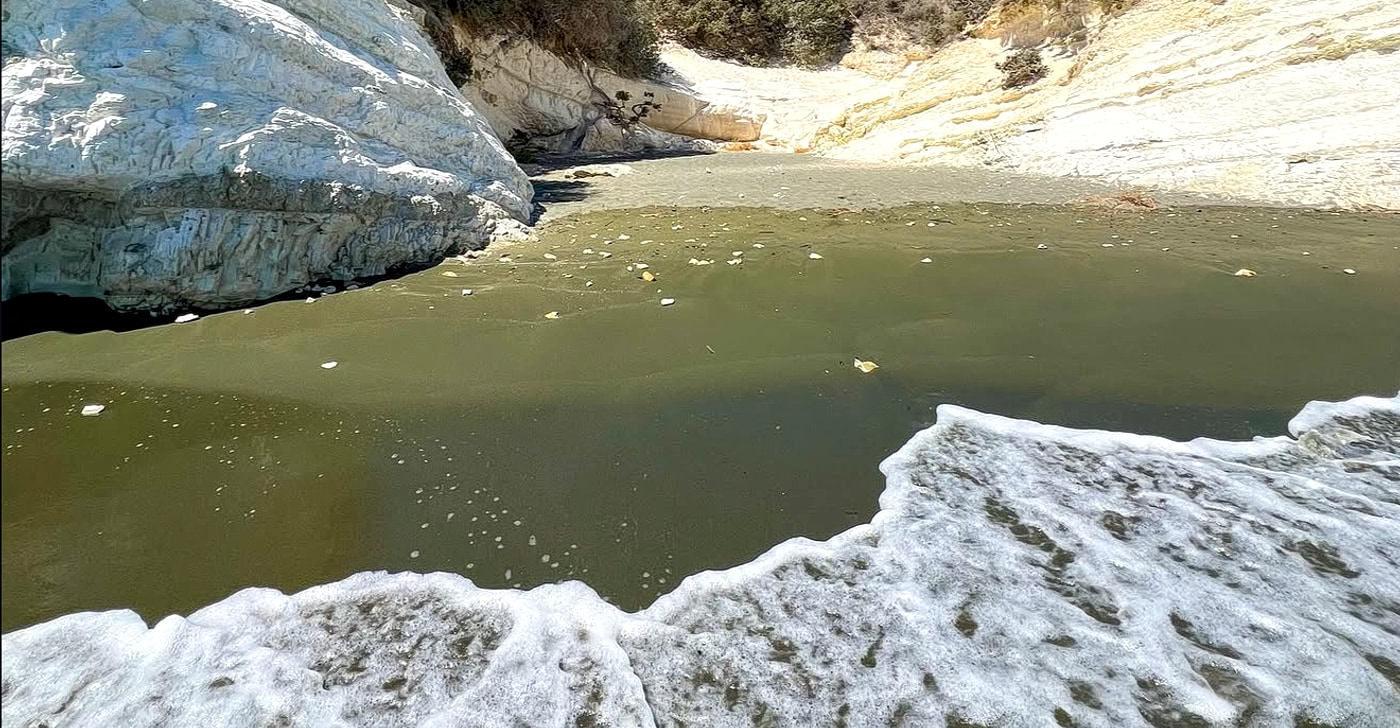
The island's strangest-looking beach: low white chalk cliffs over dark grey sand, twenty minutes east of Limassol off the A1. A string of small coves with long-standing fish tavernas on the clifftop, popular with Cypriot families on weekends, quieter midweek. The dark sand runs genuinely hot underfoot in July and August. Worth knowing: this part of the coast sat out the 2026 Blue Flag round amid water-quality rows further west along the Limassol shore, so check conditions locally.
10. Mackenzie Beach (Larnaca)
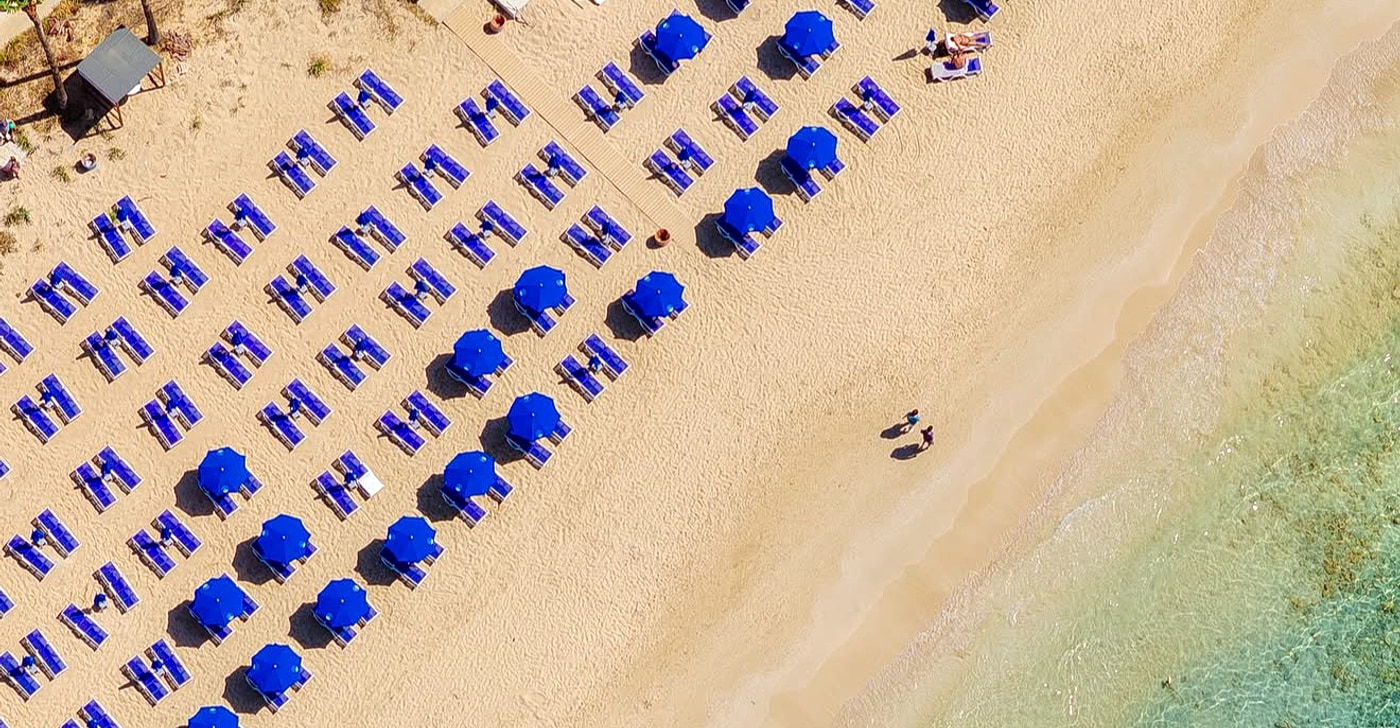
A kilometre of grey-gold urban sand directly under the Larnaca airport flight path, where aircraft cross low enough overhead to read the livery. That is the attraction, alongside a strip of fish restaurants and beach bars that make Mackenzie the liveliest city beach in Cyprus. Shallow safe water, Blue Flag, buses from the centre. A beach for people who like their swimming with noise and lunch options.
11. Finikoudes (Larnaca)
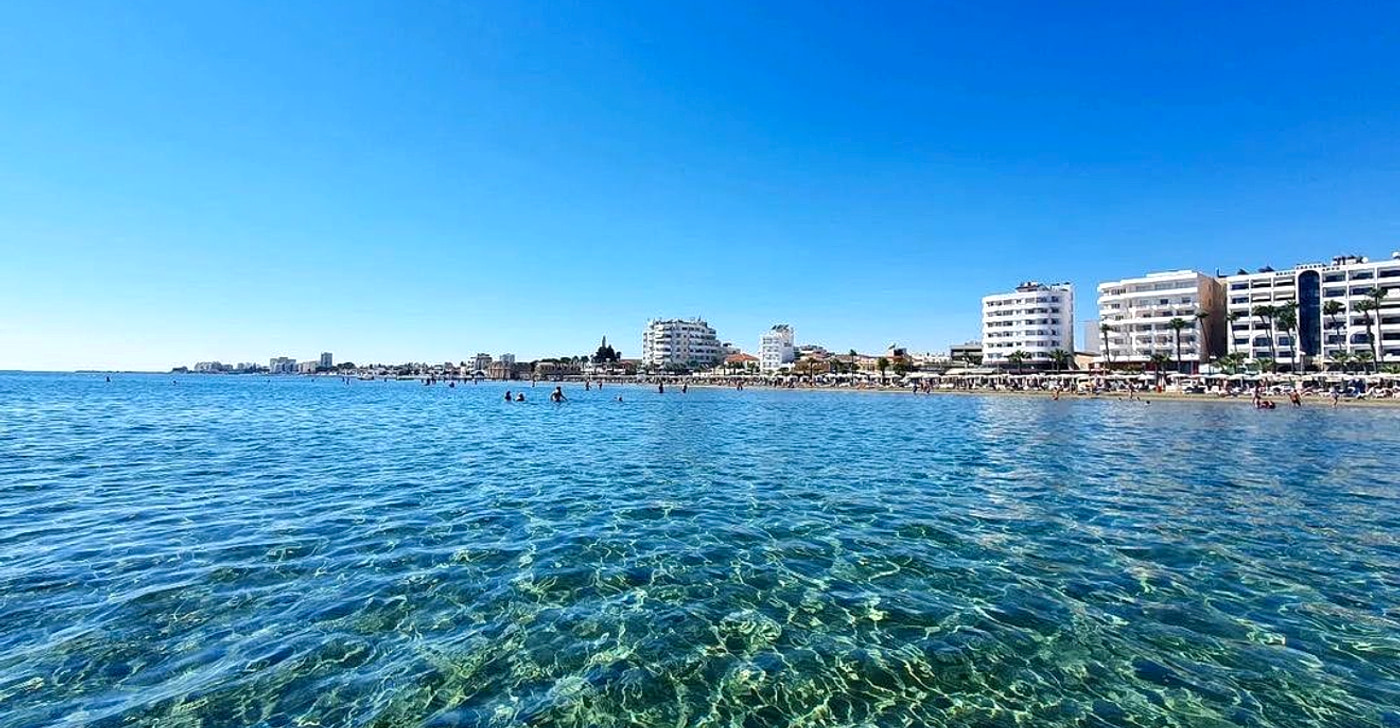
Larnaca's promenade beach, lined with the palm trees planted in the 1920s, with the medieval castle closing one end and the marina the other. The sand is coarser and greyer than the east coast's and nobody minds, because the whole point is swimming twenty steps from a city: cafés across the road, zero logistics, easy buses. If you have an evening flight from Larnaca, this is the textbook final swim.
12. Lady's Mile (Akrotiri, near Limassol)
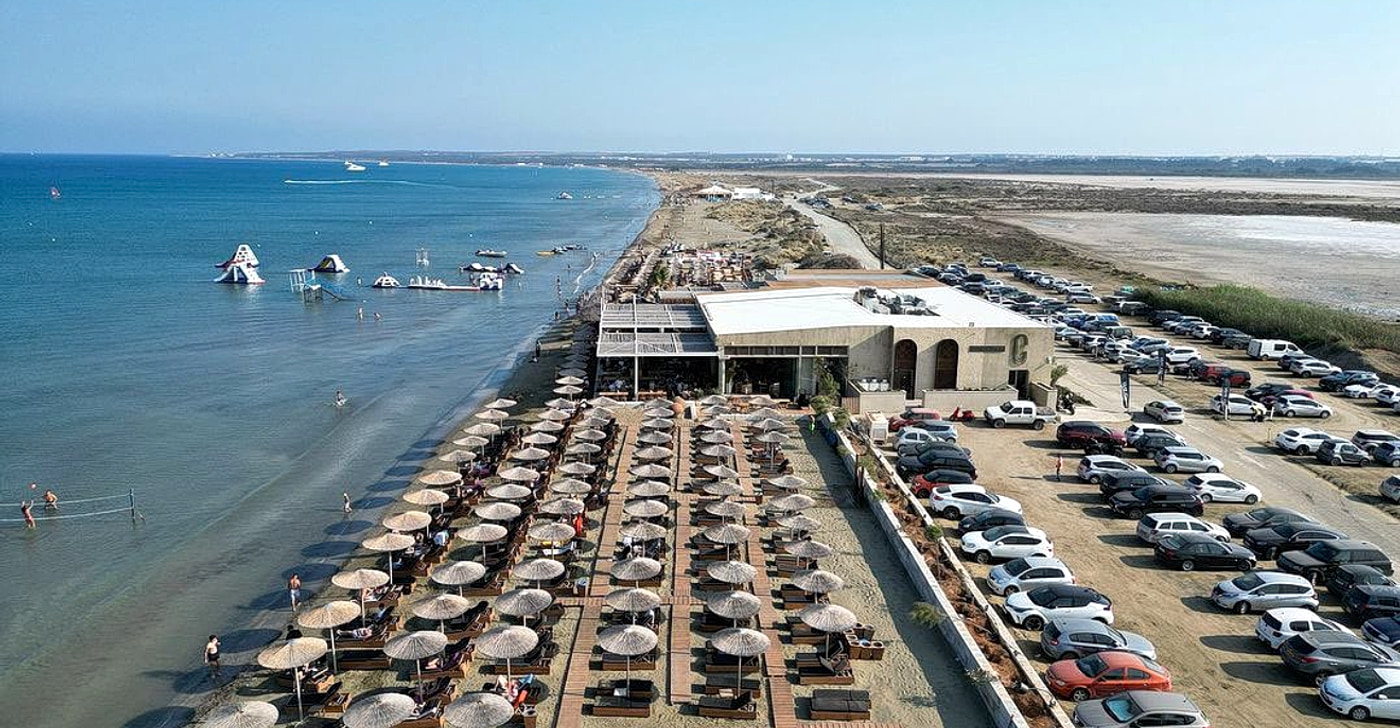
Five flat kilometres of hard-packed grey sand on the Akrotiri peninsula, inside the British Sovereign Base Area, where the water stays waist-deep further out than seems plausible. Spaced-out tavernas, free dirt-road parking, kitesurfers at the salt-lake end. It is shadeless, often windy and entirely without glamour, and for toddler-grade safe swimming it is the most underrated stretch on the island.
When to go, and what it costs
The sea passes 20°C in May, holds 26–28°C from July to September, and is still 24°C in October; we have swum comfortably in early November. May–June and September–October are the smart windows, with August the busy, expensive peak. One 2026 change worth knowing: the regulated cap on sunbed and umbrella hire rose for the first time in roughly two decades, to €3.50 for a bed and €3 for an umbrella on municipal beaches. Still among the cheapest organised-beach costs in the Mediterranean.
A last word for the photo-stop everyone asks about: Petra tou Romiou, Aphrodite's legendary birthplace on the Paphos road, is a magnificent rock above a pebble shore with fast-shelving water and no lifeguards. See it, photograph it, and do your actual swimming at one of the twelve above.
For the cove-by-cove detail, start with our Landa Beach review and the harbour-side cliff-jump cove of Loukkos Tou Mandi, and watch the Cyprus destination page as more reviews land.
Frequently asked questions about beaches in Cyprus
Which part of Cyprus has the best beaches?
For classic fine golden sand and shallow turquoise water, the Famagusta coast in the east, around Ayia Napa and Protaras. For wild, undeveloped beaches and the best snorkelling, the Akamas peninsula in the west. Larnaca and Limassol offer convenient city and family beaches with darker, coarser sand.
How many Blue Flag beaches does Cyprus have in 2026?
56, plus two marinas. Paralimni-Deryneia leads with 18 and Ayia Napa holds 16, which is why the east coast dominates any quality ranking. The count fell from 64 last year after municipalities around Limassol sat out the application round.
When is the sea warm enough to swim in Cyprus?
From May, when it passes 20°C, through to early November. July to September is the 26–28°C peak. Cyprus has the longest swimming season in the Mediterranean, which is the island's core advantage over the Greek islands or Spain.
Do you need a car for the best beaches in Cyprus?
Not on the east coast: the OSEA 101/102 bus links Ayia Napa, the Nissi Avenue beaches and Protaras every 15 to 20 minutes in summer. You do need one (ideally a 4x4) for Lara Bay and the Akamas, and a car makes Governor's Beach and Lady's Mile far easier.